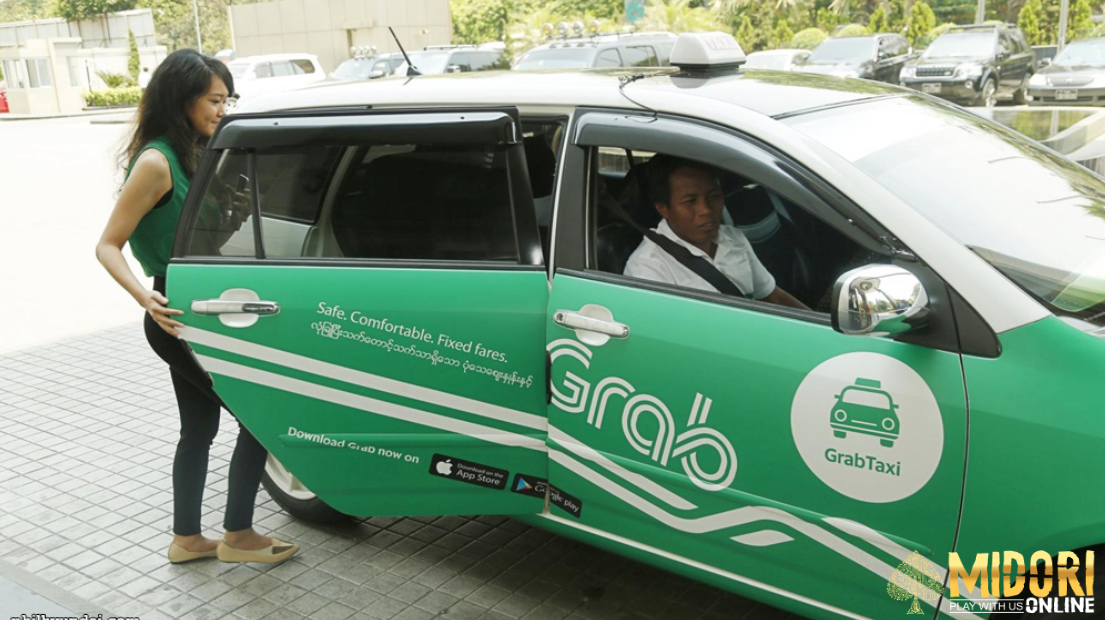
Surge pricing, deeply rooted in the economic concept of supply and demand, remains a defining feature of the modern ride-hailing industry. Recently, Grab Philippines has provided clear insights into why this pricing mechanism is regularly implemented, even during the early hours of the day.

According to Booey Bonifacio, the Chief Corporate Affairs Officer of Grab Philippines, the local transportation market consistently faces a severe vehicle supply shortage. While the passenger demand for rides can skyrocket to over 1 million bookings during peak travel hours, there are currently only about 40,000 to 45,000 active Transport Network Vehicle Service (TNVS) vehicles available on the road. Based on the basic principles of economics, this massive gap between passenger requests and available vehicles naturally triggers the platform’s automatic surge pricing algorithm.

This dynamic pricing mechanism is not restricted to standard rush hours; it is frequently activated during the predawn period as well. Bonifacio clarified that far fewer Grab drivers are actively on duty during the early morning hours, which often leads to immediate fare increases if regional activity spikes. For instance, if a large number of Business Process Outsourcing (BPO) workers simultaneously request rides after completing their night shifts, surge pricing will be triggered immediately, even at 3:00 AM.

A significant portion of these additional surge fees goes directly into the pockets of the drivers as a financial incentive. Bonifacio emphasized that drivers work incredibly hard under challenging conditions, whether navigating heavy city traffic or operating during inconvenient overnight hours, making the surge payment an essential reward to keep them on the road.

However, balancing the ride-hailing ecosystem remains an ongoing challenge for the tech platform. A detailed report published by the Philippine Center for Investigative Journalism (PCIJ) revealed that GrabCar rides frequently include these algorithmically generated surge fees—which can reach up to twice the base rates—to encourage more drivers to get on the road. Despite these higher fares, customers still regularly experience long wait times, highlighting the difficulty in resolving the driver shortage.

Ultimately, these operational explanations shed light on why surge pricing has become an unavoidable reality for local commuters, serving as a necessary tool to manage a limited fleet of vehicles against a massive population of active riders.
- Primary Context: Grab Philippines Ride-Hailing Operations
- Industry Challenge: Severe TNVS Driver Shortage vs High Passenger Demand
- Data Points: 45,000 Available Vehicles vs 1 Million Peak Bookings
Stay Updated with Midori Business News Philippines.
You Might Also Like:Jeepney Modernization Excluded from 2025 Philippine Government Priorities